
Technical guide
The Impact of Network Abuse on Businesses
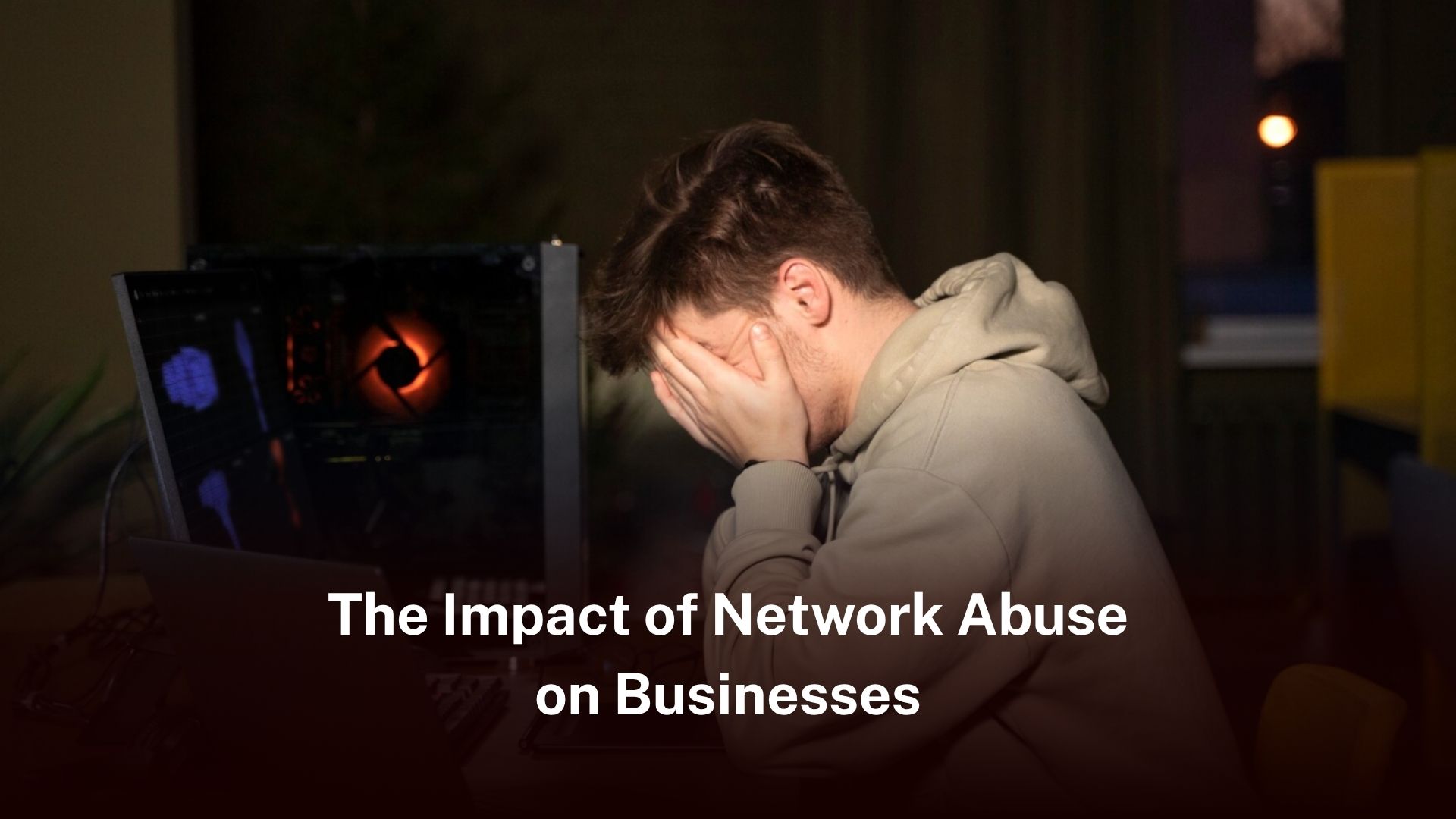
In today’s digital landscape, businesses rely heavily on the internet to conduct operations, communicate with clients, and manage data. However, this dependence comes with risks, particularly when it comes to network abuse. Network abuse, often linked to malicious activities such as cyberattacks, spamming, and unauthorized access, can have severe consequences for businesses. One of the key elements in network abuse is the misuse of IP addresses, which serve as unique identifiers for devices on the internet. Understanding how IP addresses are involved in network abuse and its impact on businesses is crucial for maintaining security and operational efficiency.
What is Network Abuse?
Network abuse refers to any activity that disrupts or exploits a network in a harmful way. This includes:
-
DDoS Attacks (Distributed Denial of Service): Attackers use multiple compromised devices to flood a business’s server with traffic, overwhelming it and causing downtime.
-
IP Spoofing: Malicious actors disguise their identity by using fake IP addresses to bypass security measures and gain unauthorized access to systems.
-
Spamming and Phishing Attacks: Businesses’ IP addresses may be hijacked to send out large volumes of spam or phishing emails, leading to reputational damage and blacklisting.
-
Botnets: Compromised IP addresses can be used to create networks of infected devices to carry out large-scale cyberattacks.
The Role of IP Addresses in Network Abuse
IP addresses are crucial for identifying and managing network traffic. However, they can also be exploited for malicious purposes:
-
Blacklisting: If a business’s IP address is used for spamming or cyberattacks, it can get blacklisted by internet service providers (ISPs) and email servers. This prevents legitimate emails from reaching clients and partners, disrupting communications.
-
Compromised Security: Cybercriminals often target business IP addresses to gain unauthorized access to internal systems, putting sensitive data at risk.
-
Service Disruptions: Attackers can exploit IP vulnerabilities to execute DDoS attacks, rendering websites and services inaccessible to customers.
Impact of Network Abuse on Businesses
The consequences of network abuse can be devastating for businesses in various ways:
1. Financial Loss
Businesses suffering from network abuse often experience significant financial losses. Downtime caused by DDoS attacks or blacklisted IP addresses can result in lost revenue, while addressing security breaches requires costly investments in cybersecurity solutions.
2. Reputational Damage
A business that falls victim to network abuse may lose customer trust. If a company’s IP address is used for spamming or hacking, clients may hesitate to interact with the brand, fearing security risks.
3. Legal and Compliance Issues
Data breaches resulting from network abuse can lead to legal consequences, especially if sensitive customer information is compromised. Businesses may face fines for failing to comply with data protection regulations such as GDPR and CCPA.
How Businesses Can Protect Their IP Addresses
To mitigate the risks of network abuse, businesses should adopt proactive cybersecurity measures:
-
Use Firewalls and Intrusion Detection Systems (IDS): These tools help monitor and filter network traffic to block malicious activities.
-
Implement IP Whitelisting and Blacklisting: Restrict access to critical systems by allowing only trusted IP addresses.
-
Monitor Network Traffic: Regularly analyze network traffic to detect unusual activities that may indicate abuse.
-
Use VPNs and Secure Proxies: Protect business IP addresses from being exposed to potential attackers.
-
Educate Employees on Cybersecurity: Ensuring staff members understand best practices for email security and safe browsing can prevent phishing and other cyber threats.
Conclusion
Network abuse, particularly through the exploitation of IP addresses, poses a significant threat to businesses. From financial losses to reputational harm and legal issues, the consequences can be severe. By implementing strong cybersecurity measures, businesses can protect their networks, secure their IP addresses, and minimize the risks associated with network abuse. Staying vigilant and proactive in addressing cybersecurity threats is essential for maintaining a secure and resilient business infrastructure.
Production IPv4
Need IPv4 for a live network?
Check available capacity, then choose the Continuity level that matches the cost of disruption and renumbering.